The Abductees’ Mothers Association, in partnership with a number of women leaders, religious leaders, representatives of government institutions, and civil society organizations, concluded a series of dialogue and advocacy activities aimed at addressing hate speech and online violence targeting women working in Yemen’s civic space. The initiative sought to foster a safer and more empowering environment for women engaged in civil society, humanitarian, and human rights work.
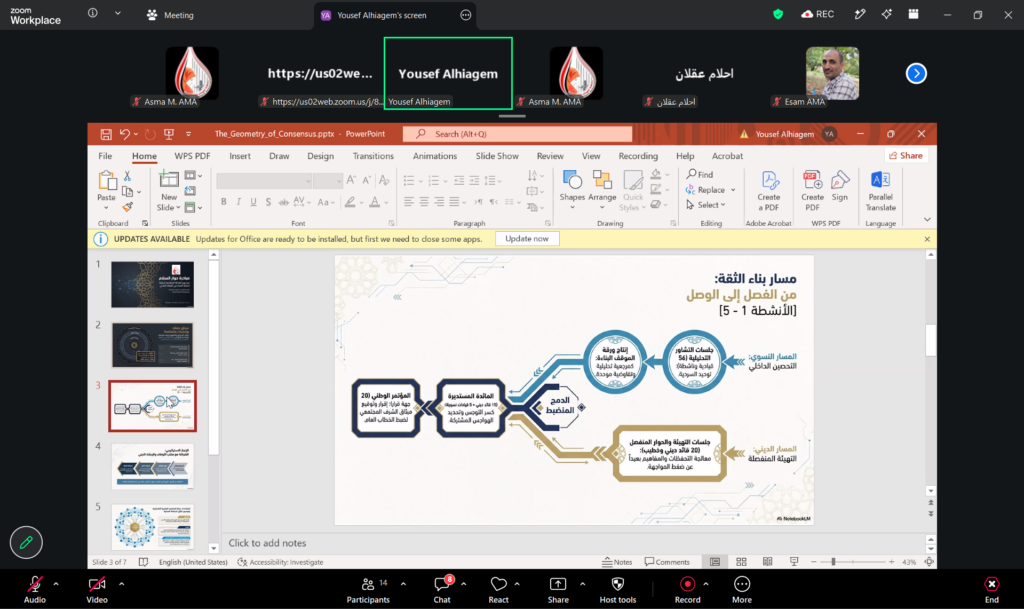
The initiative was implemented through two main tracks. The first consisted of a series of consultative sessions involving 56 women from six Yemeni governorates—Taiz, Lahj, Abyan, Al-Dhalea, Al-Mahrah, and Shabwah. These sessions provided a platform for women to share their experiences and document the challenges and violations they face as a result of incitement campaigns and hate speech.
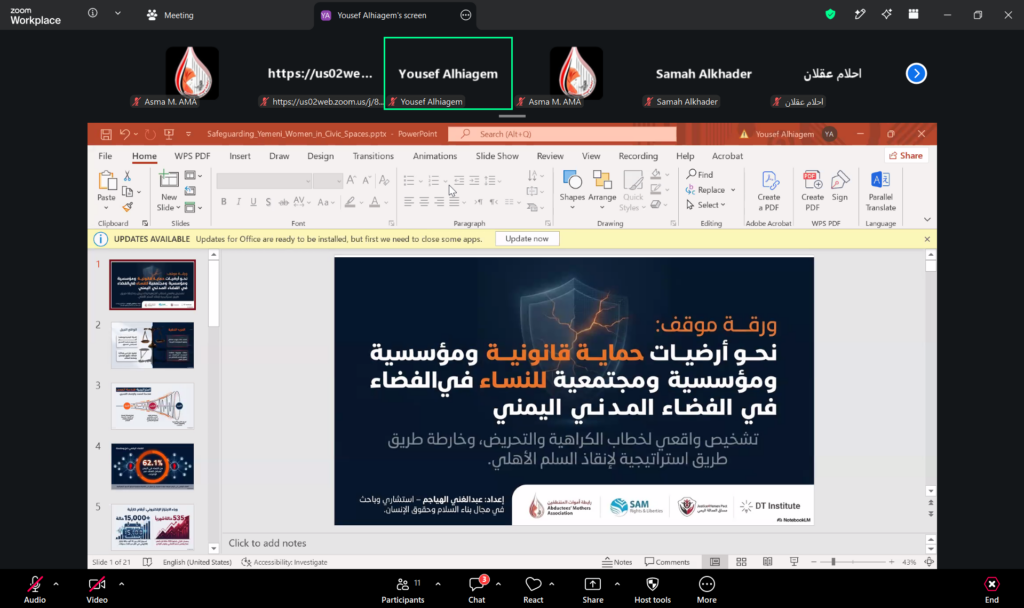
The consultations brought together civil society activists, government leaders, academics, and women professionals from various sectors. Their recommendations, together with in-depth interviews conducted with participants, informed the development of a position paper reflecting women’s perspectives and demands while laying the foundation for a unified community narrative to counter hate speech and incitement targeting women in civic life.
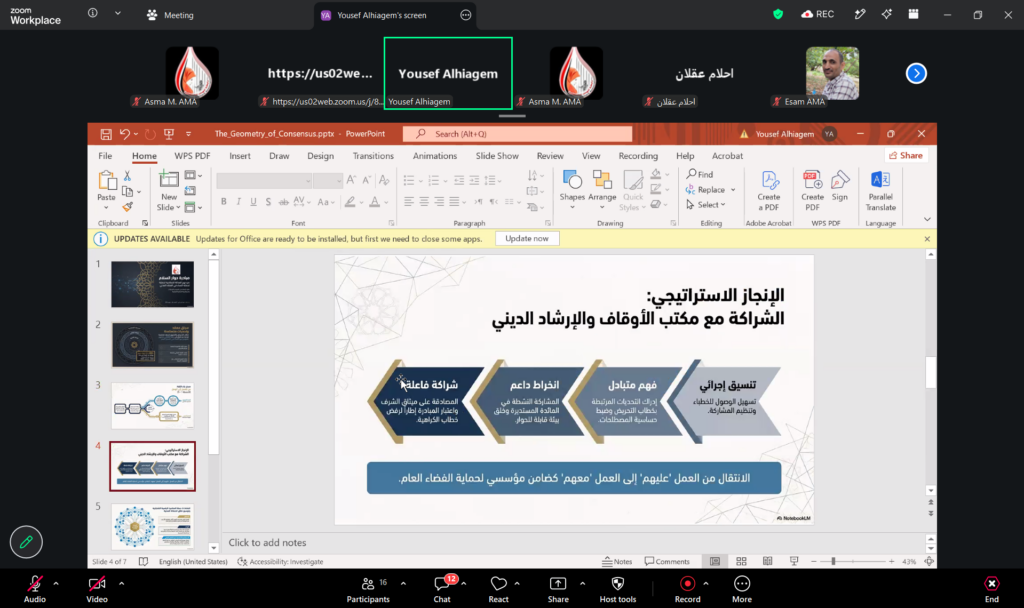
Under the second track, the initiative organized orientation and dialogue sessions for 20 religious leaders and mosque preachers in partnership with the Endowments Office (Awqaf). The sessions focused on discussing and challenging misleading narratives used to justify or reinforce campaigns of incitement against women participating in public affairs.
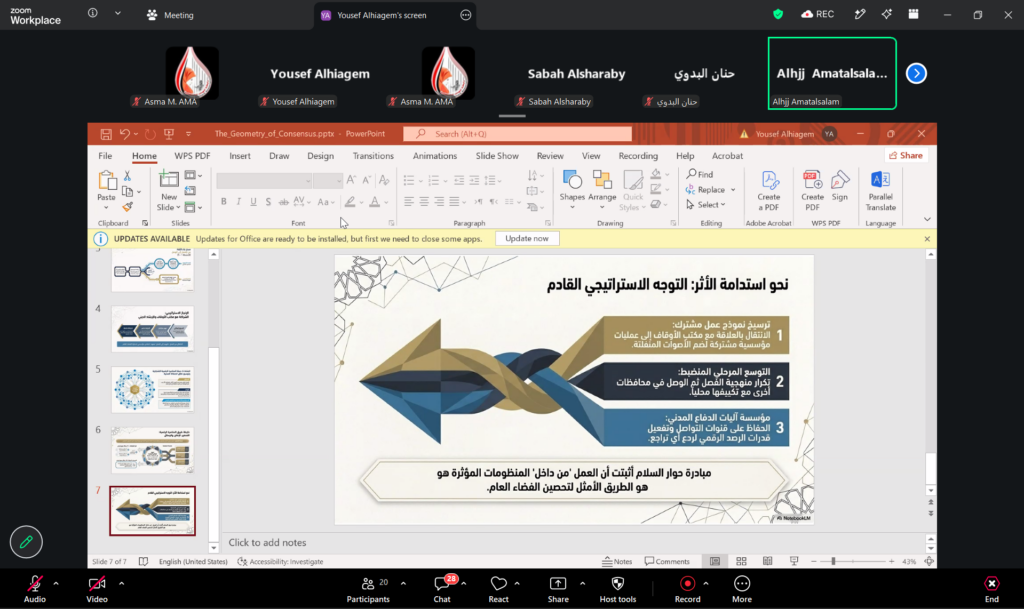
The organizers emphasized that the partnership with the Endowments Office represented one of the initiative’s most significant strategic achievements. It helped establish direct channels of dialogue with religious leaders and strengthened mutual understanding of the importance of protecting women and rejecting the misuse of religious discourse to promote incitement or discrimination.
The initiative also hosted a roundtable discussion that brought together religious and women’s leaders, helping bridge differences and foster mutual understanding. The meeting produced initial agreements on mechanisms for joint action to combat hate speech and promote the values of respect and peaceful coexistence.
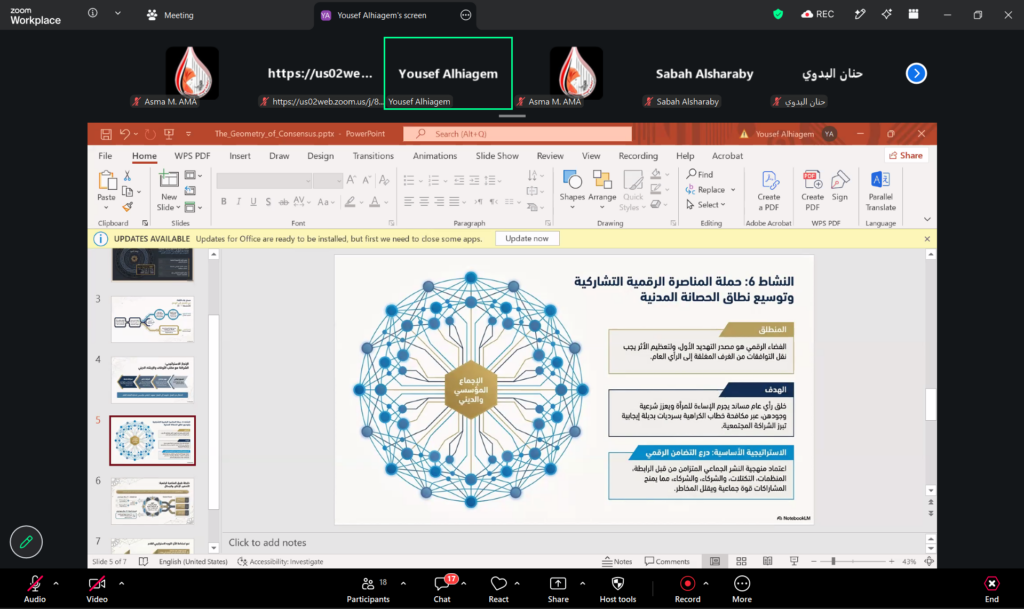
The activities concluded with a mini-conference attended by civil society organizations, women and religious leaders, and representatives of the Endowments Office, the Ministry of Social Affairs and Labour, and other relevant stakeholders. Participants endorsed a unified Code of Honor to combat hate speech against women and agreed to establish a sustainable communication channel through WhatsApp to strengthen coordination and facilitate a collective response to any campaigns of incitement or defamation targeting women activists.
During the conference, the organizers presented the key findings of the position paper, which highlighted the growing incidence of online violence and smear campaigns against women working in civil society. The paper noted that such attacks have significant psychological, professional, and social consequences that undermine women’s participation in public life and in humanitarian and human rights work.
The paper stressed that protecting women active in civil society is not only a human rights issue but also a necessity for preserving social cohesion and ensuring women’s continued contributions to development, humanitarian response, and peacebuilding.
The event also featured extensive discussions among participants on ways to strengthen legal protection for women, ensure that advocacy efforts include the most vulnerable groups—including women with disabilities—and advance legislation addressing online violence and cybercrime. Participants further emphasized the need to expand public awareness campaigns and strengthen reporting and support mechanisms for survivors.
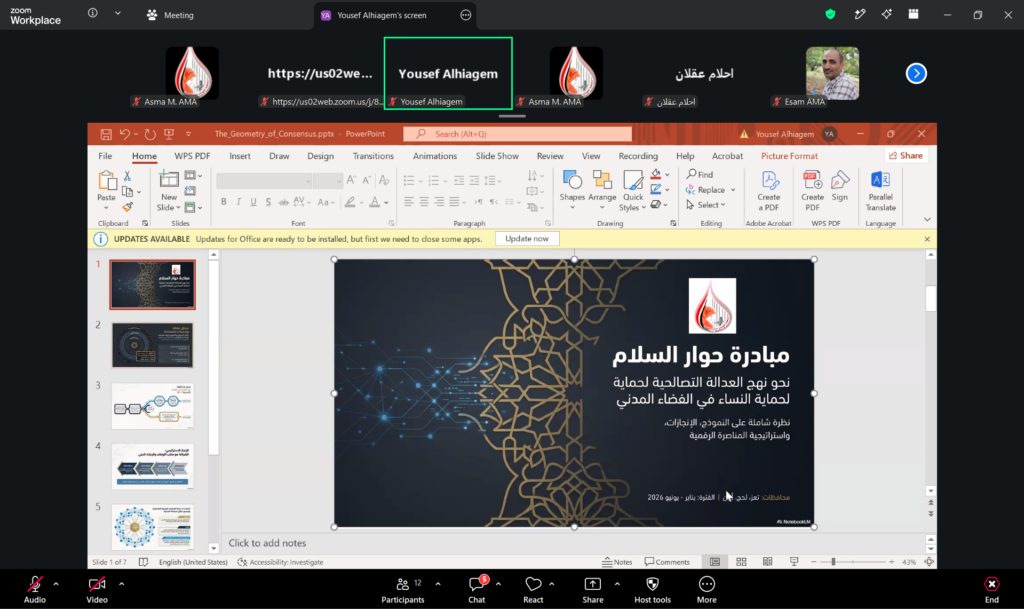
At the conclusion of the event, the organizers launched a digital advocacy campaign based on the recommendations of the position paper and the Code of Honor. The campaign aims to build public support for women working in civil society, counter hate speech by promoting positive messages, success stories, and inspiring examples of women’s leadership, and raise public awareness of the vital role women play across different sectors.
Participants reaffirmed the importance of sustaining and expanding these efforts to reach additional governorates and social groups, contributing to stronger civilian protection for women and promoting a culture of respect for human rights while opposing all forms of incitement, violence, and discrimination.