
New policy paper calls for restoring government facilities in Ma’rib through a restorative approach that balances public service recovery with the protection of displaced people
A new policy paper titled Occupation of Government Buildings and Public Facilities in Ma’rib Governorate: Towards a Restorative Policy for Restoring Public Functions and Protecting Displaced People” has been launched as part of the Support Peace in Yemen through Accountability, Reconciliation and Knowledge Sharing (SPARK) project, implemented by the Abductees’ Mothers Association in partnership with SAM for Rights and Liberties and with support from the DT Institute.
The paper examines one of the most pressing challenges resulting from years of conflict: the continued occupation of government buildings and public facilities to shelter internally displaced families, and the resulting impact on the continuity of public services, the performance of government institutions, the rights of displaced people, and social cohesion.
Drawing on a participatory methodology that included stakeholder dialogue sessions, qualitative interviews, and analysis of policy documents and practical experiences, the paper explores the underlying causes of the issue, assesses its consequences, and proposes a practical policy framework grounded in the principles of restorative justice. The proposed approach seeks to balance the restoration of government facilities to their intended public function with the protection of the rights and dignity of displaced families.
The paper also presents a set of policy recommendations and a phased implementation plan, alongside a case study documenting the successful restoration of a public facility through dialogue and coordination among relevant stakeholders. The experience highlights how collaborative, restorative approaches can strengthen trust, ensure the sustainable delivery of public services, and support broader peacebuilding and stability efforts.
The policy paper is available for download through the attached link.
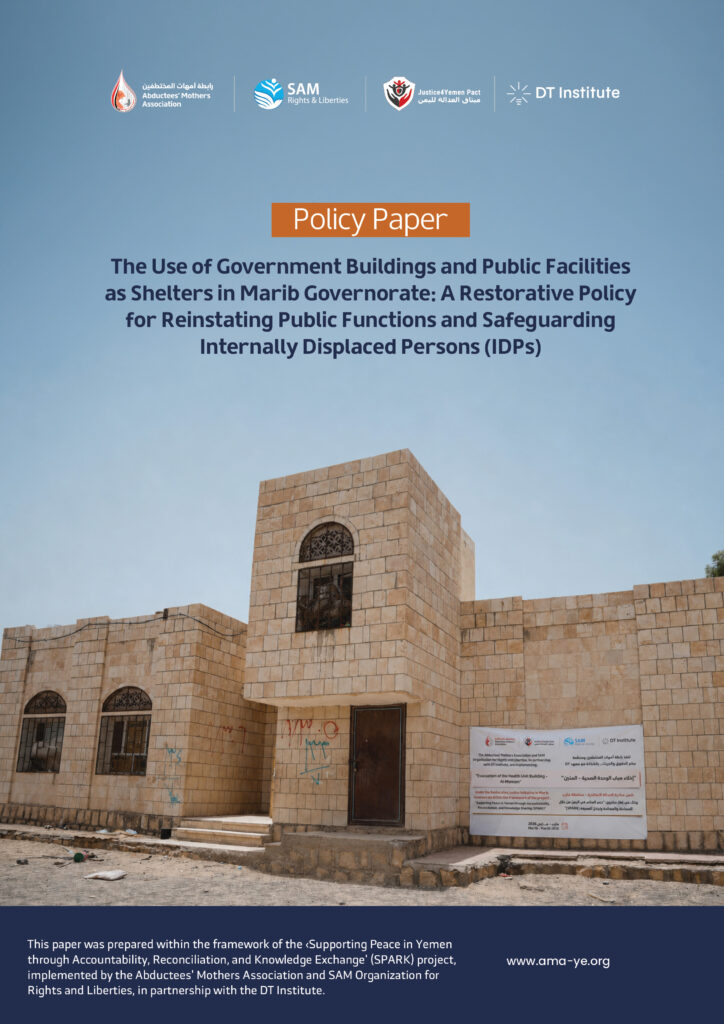
Policy Paper: Towards Legal, Institutional, and Societal Protection Frameworks for Women in Yemen’s Civil Space
In light of the growing challenges faced by women working in the fields of human rights, peacebuilding, and civil society in Yemen, this paper highlights the reality of hate speech, defamation, incitement, and digital violence directed against women, as well as the resulting negative impacts on civic participation and social peace.
The paper provides an analysis of the legal, institutional, and societal environment related to the protection of women in civil society spaces. It reviews the most prominent challenges and gaps that contribute to the persistence of violations, including weak legislative frameworks, institutional fragility, and the spread of hate-inciting and exclusionary discourse.
It also presents a set of practical recommendations aimed at decision-makers, official institutions, civil society organizations, as well as religious and media leaders. These recommendations seek to strengthen the legal and institutional protection of women, confront digital violence and hate speech, and create a safer and more just environment that ensures women’s participation in public life without fear or discrimination.
This paper was developed within the Yemen Peace Support Project through Accountability and Reconciliation and Knowledge Sharing (SPARK), implemented by the Abductees’ Mothers Association and SAM Organization for Rights and Liberties in partnership with DT Institute, as part of efforts to promote the values of justice, citizenship, and sustainable peace in Yemen.
📥 You can download the policy paper and view the full recommendations and proposals via the link below.
Launching a policy paper on the Al-Sarari experience as a model for restorative justice and peacebuilding in Yemen
A policy paper titled “From Hybrid Conflict to a Recovery Model in Al-Sarari Village: Towards a Community-Led Roadmap for Restorative Justice and Peacebuilding” was launched during an online seminar held to review the Al-Sarari experience as a model for restorative justice and peacebuilding.
The paper was prepared by peacebuilding and human rights researcher Abdulghani Al-Hayajim, as part of the Yemen Peace Support (SPARK) project.
It was developed in partnership between the Abductees’ Mothers Association and SAM Organization for Rights and Liberties, with support from the DT Institute, as part of ongoing efforts to promote restorative justice pathways and community reconciliation in Yemen.
The paper provides an in-depth analysis of the conflict in Al-Sarari village in Taiz Governorate, describing it as a microcosm of Yemen’s complex local conflicts, where sectarian, political, and military factors intersected, and where community disputes escalated into armed conflict within the broader context of the national war.
It explains that the conflict resulted from a set of root causes, most notably weak state institutions, social divisions, and historical disputes over resources, in addition to direct factors such as the militarization of the area and its transformation into a strategic location on the outskirts of Taiz city.
The paper also documents the humanitarian consequences of the conflict, including deaths and injuries, the displacement of more than 150 families, widespread destruction of homes and infrastructure, as well as deep social and psychological impacts on the local community.
It proposes an integrated roadmap for recovery and peacebuilding based on empowering local actors and integrating restorative justice with development efforts through three main tracks: building trust and addressing urgent needs, recovery and rebuilding the social fabric, and sustainable development to prevent the recurrence of conflict.
The paper emphasizes that the success of this approach requires genuine political will, long-term donor support, and strengthening the role of local communities in leading reconciliation efforts. It concludes that the Al-Sarari experience represents a model that can be adapted to other Yemeni regions experiencing similar conflicts.
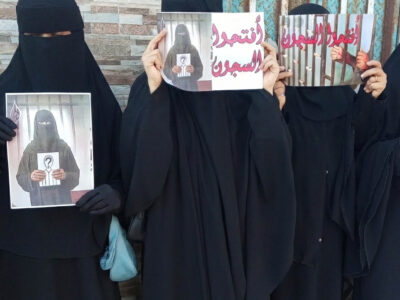
YEMEN: NEW REPORT UNCOVERS HORRIFIC CONDITIONS IN SECRET DETENTION CENTER
A damning new report by the Cairo Institute for Human Rights Studies (CIHRS) and the Abductees Mothers Association (AMA) exposes a secret detention center in Aden operated by the Southern authorities in Yemen. Known as the Waddah Hall and once a civic center, the facility is part of a wider network of clandestine prisons that has proliferated across Yemen, sites whose existence officials have long denied and only recently begun to acknowledge. This acknowledgment comes in the wake of a rift between the Southern Transitional Council (STC) and the Internationally Recognized Government (IRG), after STC forces attempted to expand control over southern cities in December 2025, prompting Saudi airstrikes and conflicting claims of the Council’s dissolution.
The report that is based on thirty interviews and documents at least eighteen cases of enforced disappearance, some of them dating back to 2016. Widespread patterns of arbitrary arrest, torture, and denial of medical care in Waddah Hall are also exposed by the report.
Families consistently described masked armed men abducting relatives without warrants, and when they sought information, they were threatened. Released detainees recount suspension, electrocution, suffocation, and coerced confessions. Families also describe how forced confessions, sometimes filmed, were used to justify continued detention or enable transfers to other facilities. Conditions inside Waddah Hall and related sites, as reported by families, include solitary confinement in cramped, windowless and unsanitary spaces, insufficient food and water, and systematic obstruction of medical treatment, contributing to severe deterioration in detainees’ health.
“Secret detention facilities like Waddah Hall have not only inflicted immense suffering on detainees and their families but have also entrenched parallel systems of authority that deepen Yemen’s divisions,” said Amna Guellali, CIHRS Research Director. “By fostering abuses and bypassing judicial institutions, these practices have fractured communities and undermined prospects for reconciliation. Their legacy continues to fuel fragmentation today, threatening to push Yemen into even greater disunity if accountability and justice are not urgently pursued.”
Waddah Hall, located in the Gold Moor area of Al‑Tawahi District in Aden Governorate, sits within the Counter‑Terrorism Camp and in close proximity to the STC security headquarters. The facility is run by security units backed, trained, and financed by the United Arab Emirates (UAE), under the banner of counterterrorism, and operate in large part through the STC. The UAE’s sponsorship embedded a parallel system of repression beyond judicial oversight, while the STC’s role in administering these forces further fractured Yemen’s institutions. In Aden and other southern cities, this dynamic has created overlapping centers of power, with STC aligned forces asserting control against the IRG, each backed by rival foreign patrons. These competing authorities have not only undermined judicial institutions but have also entrenched polarization and instability, leaving communities caught between fragmented loyalties and unchecked repression.
Nevertheless, secret detention is not the responsibility of one party alone. Abuses of this kind have been documented across areas controlled by different actors, including forces affiliated with the IRG. Addressing secret detention must not become selective or politicized.
The recent conflict that erupted in December 2025 between the STC (backed by the United Arab Emirates) and the IRG (supported by Saudi Arabia) exposed deep fractures within Yemen’s anti-Houthi camp. Armed confrontations, political infighting, and competing claims to authority in southern areas have fueled renewed instability and drawn regional backers more directly into the dispute. In this volatile context, revelations about secret detention sites risk being instrumentalized by rival parties to discredit one another rather than to deliver justice. Regardless of these power struggles, the rights of detainees and the demands of families for truth, accountability, and reparation must remain the central priority. In this context, President Rashad Al Alimi, Chairman of Yemen’s Presidential Leadership Council since April 2022, announced in January 2026 the closure of all unofficial and secret prisons across southern Yemen. It must be implemented transparently with immediate effect, and accompanied by credible investigations, disclosure of detainees’ whereabouts, and accountability for perpetrators regardless of affiliation. Families of the disappeared must not be left caught between rival authorities. Their rights to truth, justice, and reparation must come first.
CIHRS and AMA call on authorities to close Waddah Hall and other secret facilities, ensure detainees are either released or brought before independent courts, and guarantee immediate access to medical care and legal representation. Reparations must be provided to victims and their families, while independent monitors and UN bodies must be granted unhindered access to all detention sites.
The international community, and particularly the United Nations Human Rights Council, must re‑establish independent investigations, preserve evidence, and ensure that perpetrators are held accountable. Victims and their families cannot be denied truth, justice, and reparations any longer.
“Waddah Hall represents more than a location where abuse occurred; it stands as a poignant symbol of how Yemen’s war and foreign interventions have fostered lasting systems of repression. Confronting its legacy is vital for rebuilding trust, securing accountability, and safeguarding the rights of detainees and their families” said Amat Al Salam, AMA’s President.

When Communities Make Peace: The Experience of the Consensus and Reconciliation Committee in Taiz
The Consensus and Reconciliation Committee in Taiz Governorate presents a living model of effective community-based justice, demonstrating that peacebuilding can emerge from within society itself, even in the absence of state institutions.
This case study documents the Committee’s experience in addressing complex disputes, restoring looted property, protecting children and internally displaced persons, and reducing tensions by opening pathways for dialogue and trust among conflicting parties.
The study highlights how locally driven initiatives, grounded in consensus and collective responsibility, have achieved tangible change on the ground, despite ongoing security and social challenges. It is a true story of people-centered justice that has made a real difference in the lives of individuals and the wider community.
📖 To read the full case study: here
Consensus_and_Reconciliation_Committee
Taiz
SPARK
MySonFreedomFirst

Report: “Deferred Passage of Women”
The Deferred Passage of Women
A Report on Violations of Women’s Right to Freedom of Movement in Taiz Governorate (2020–2025)

Community Reconciliation Committee in Taiz: Local Efforts Toward Conflict Resolution and Peacebuilding
Amid a society deeply strained by years of war, the Community Consensus and Reconciliation Committee in Taiz has emerged to promote restorative justice and rebuild trust among community members. Through field-based initiatives, the committee works to address divisions and resolve conflicts via community dialogue and reconciliation-based approaches.
Formation of the Committee and Member Selection
The committee was established in January 2025 as part of the SPARK project, implemented by the Abductees’ Mothers Association in partnership with SAM Organization for Rights and Liberties, and funded by the DT Institute. It is one of the most prominent local mechanisms aimed at bridging social rifts in four target districts in Taiz.
According to Essam Al-Sabri, project director, the committee consists of ten members, five representing the Abductees’ Mothers Association and five representing SAM. The formation process ensured balanced community representation from across the governorate’s districts. The committee includes a judge, a women’s representative, a representative of marginalized communities, and field researchers responsible for monitoring needs and conflict dynamics.
An internal structure was established, including a chairperson, vice-chairperson, secretary, public relations officer, and coordination officer.
The targeted districts are Maqbanah, Al-Shammayatyn, Al-Ma’afer, and Al-Mudhaffar. The Abductees’ Mothers Association supervises Maqbanah and Al-Shammayatyn, while SAM is responsible for Al-Ma’afer and Al-Mudhaffar, in accordance with a functional division that covers the geographical scope of the initiative.
The Committee’s Role
The committee began its work with a structured methodology based on collecting information and documentation, and identifying priority conflicts. According to Abdullah Jassar, the committee’s chairperson, the team documents cases and builds a field-based database of victims, affected individuals, and all involved parties, a critical step to ensure transparency and credibility.
The committee has shown strong performance in communicating with all parties, victims, local authorities, community actors, and even disputing parties themselves. There has been wide cooperation from local authorities and security services in the targeted districts, which has strengthened the committee’s presence and role in conflict resolution.
Field Engagement and Conflict Resolution
In May, the committee held several field visits and meetings, including a key visit to the Director General of Al-Shamayatyn district. The meetings addressed pressing community concerns such as the “Al-Ulquma water dispute,” the killing of Mohammad Tariq, and the murder of a marginalized citizen in the Assabt market.
In coordination with local mediators from Al-Budhaija, the committee worked to bridge the gap between parties involved in the Al-Ulquma case. Initial understandings were reached that could serve as a foundation for more comprehensive agreements.
Challenges versus Successes
The committee faces logistical and financial challenges, as highlighted by its chairperson. The limited financial support restricts the mobility of members and hinders swift interventions. At times, resistance from certain individuals necessitates repeated visits and extended negotiations to collect accurate information.
Despite these obstacles, the committee has achieved notable successes. These include its intervention in the case of a burned oil tanker, where it successfully gathered necessary documentation in collaboration with local authorities. Another key success was resolving a complex community dispute over a water project between two villages in Mashra’ah and Hadnan and Al-Misrakh districts. The committee, led by its chairperson, helped calm tensions and reactivate the project.
Jassar notes that the local community is eager for restorative justice, highly cooperative, and in search of stability and security after years of fragmentation. He believes that peacebuilding begins with recognizing victims, documenting facts, and providing a safe platform for dialogue, all of which align with the committee’s broader vision for comprehensive transitional justice.
Toward Sustainable Solutions
The experience of the Community Reconciliation Committee in Taiz serves as a vivid example of the effectiveness of grassroots efforts in conflict resolution. It demonstrates how community-led, restorative approaches, based on voluntary local initiatives, can successfully reduce tensions and promote sustainable peace.

Building Justice Pathways from Within: A Groundbreaking Transitional Justice Training Opens New Horizons for Peace in Yemen
Taiz – June 2025
In an unprecedented step to empower Yemeni society with the principles of transitional justice, the Abductees’ Mothers Association, in partnership with SAM for Rights and Liberties; and supported by the U.S.-based DT Institute, concluded an intensive training program under the SPARK Project.
The program brought together more than 100 trainees (half of them women) from across various Yemeni governorates over a period of one and a half months. It aimed to enhance practical understanding of transitional justice and open channels for community dialogue toward a more just and equitable future.
Multi-Faceted Training
The program included ten training modules delivered through five interactive groups. It combined self-directed learning via Google Classroom with regular group discussions. Each module featured quizzes and self-study references, tackling core themes such as gender justice, children’s rights, documentation and community reconciliation, peacebuilding, and reparations.
Justice Beyond Accountability
Shaim’a Al-Salahi, a human rights activist who took part in the training, shared: “I learned that transitional justice is not only about accountability. It’s about restoring dignity to victims, ensuring non-repetition of violations, and paving the way for a participatory future that excludes no one.”
She added that the training changed her perception of justice, from being merely “punitive” to one of fair reconciliation, grounded in acknowledgment, fairness, and inclusion.
Strategic Investment in Sustainable Peace
Firas Hamdoun, Senior Program Director at the DT Institute, stated that their support for the training stems from a firm belief that transitional justice is the cornerstone of building peace in Yemen. He further added: “Through this program, we aim to close the knowledge gap and build a network of local actors capable of designing and implementing genuine transitional justice initiatives.”
Hamdoun also noted that the training is part of a three-stage plan under the SPARK Project: starting with a contextual assessment of Yemen, followed by capacity-building, and culminating in the promotion of national and international dialogue on transitional justice pathways.
Training Amid Challenges… A Foundation for a Yemeni Model
Trainer Marwan Al-Shaibani pointed out that the program faced challenges such as weak internet connectivity, limited availability among participants, and a lack of deep understanding of transitional justice concepts among many trainees. Yet, he said: “We succeeded in narrowing the knowledge gap and fostering rich discussions on different global models of transitional justice, while ensuring the content avoided sensitive triggers and focused on methodological and human rights dimensions.”
He emphasized that the engagement and enthusiasm shown by participants, particularly during their presentations of future local initiatives, was a clear indication of the training’s success and its readiness to serve as a launchpad for a Yemeni-led transitional justice model.
Sustainable Impact and a Community Leading Its Future
The program’s organizers aim to build a lasting network of training graduates, supporting them in launching local reconciliation projects, developing updated training materials, and creating platforms for dialogue and advocacy. This goes hand in hand with empowering local civil society organizations to play a central role in this journey. “We’re not importing justice; we’re building one that’s uniquely Yemeni,” said Shaim’a Al-Salahi, summing up the spirit of the training and laying the foundation for a genuine Yemeni transitional justice experience, one that begins at the grassroots, not just among the political elite.

The Path Towards Peace
Two member organizations of the Justice for Yemen Pact, the Abductees’ Mothers Association and SAM Organization for Rights and Liberties, have published a study titled ” The Path Towards Peace”, funded by the DT Institute. The study aims to understand Yemenis’ perceptions of transitional justice and to gather insights from victims and experts in the field.
The study focuses on three key areas: identifying victims’ priorities regarding justice and reparations; exploring how civil society views the most appropriate transitional justice mechanisms for Yemen; and assessing the readiness of civil society organizations to take part in designing and implementing these mechanisms.
The findings revealed that 79% of participants had personally experienced, or had a family member experience, direct violations, reflecting the scale of the humanitarian crisis and the deep psychological and social impact on victims.
The study concludes with several recommendations, stressing the importance of integrating transitional justice principles into any future political settlement, establishing independent national bodies for redress and compensation, and strengthening the role of victims as active participants in the peacebuilding process.

The Abductees’ Mothers Association Issues Its Eighth Annual Report Titled “Mothers at the Gates of Justice 5”
The Abductees’ Mothers Association issued its eighth annual human rights report this Tuesday, titled “Mothers at the Gates of Justice 5,” which documents the violations against abductees in 2023.
The association emphasized that advocating for the abductees’ cause has several aspects, the most notable of which is issuing annual reports to inform the public about the extent of the suffering faced by abductees in detention centers, as well as by their families after their loved ones’ disappearance.
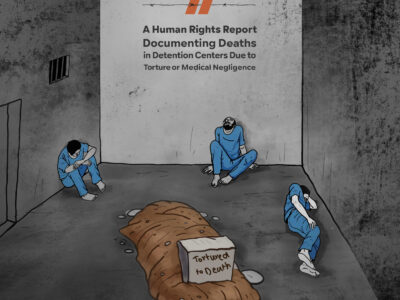
The association documented (6) deaths in prisons due to medical negligence or torture, (833) cases of civilian arrest and abduction, (58) cases of torture by violators, and (103) cases of enforced disappearance.
The report revealed several incidents monitored based on testimonies from survivors of detention or victims’ families, highlighting the intimidation they endured and attempts to silence any opposing voices through practices that constitute a blatant violation of international human rights and humanitarian law.
The association called on all relevant parties to pressure the conflicting parties to release the abductees and protect human rights in accordance with international principles and standards.
The report emphasized the need to ensure accountability for any violations committed by the parties involved, to bring them to fair trials, and to compensate and remedy the victims and their families, with guarantees that such practices will not be repeated.
Read the report here:
https://ama-ye.org/wp-content/uploads/2024/09/EN_Report-2024_Final-7.pdf
Witness Memory

Crackdown on Aid Workers in Yemen: Unprecedented Detentions by Houthi De Facto Authorities
Since May 31, 2024, Houthi de facto authorities have detained dozens of Yemeni employees from UN agencies, and international and local NGOs. This unprecedented wave of arrests, described as the first of its kind in Yemen, highlights an alarming crackdown on humanitarian and civil society efforts in the country.
The Houthi de facto authorities allege that these detentions are part of dismantling an “American-Israeli spy network” an accusation primarily targeting former US embassy employees and workers from international organizations detained between 2021 and 2023. These claims have been supported by coerced “confession” videos, which have been criticized for lacking credibility and fairness.
The recent detentions have intensified incitement against aid and civil society workers, with public campaigns and hotlines urging citizens to report “suspicious activities.” This crackdown threatens the safety and operations of humanitarian efforts in Yemen, with potential further detentions looming.
Human rights organizations and Yemeni activists urge robust advocacy and legal support for the detainees, condemning the lack of effective response from the international community. The Justice4Yemen Pact coalition calls for immediate action to secure the release of those unjustly detained and to protect the vital humanitarian work being carried out in Yemen.
Read the full report:
https://justice4yemenpact.org/articles/incident-report-11-crackdown-on-aid-workers-in-yemen-unprecedented-detentions-by-houthi-de-facto-authorities/

“Report” Snipers’ continued attacks kill the civilians in Taiz governorate
After 9 years of war, sniper attacks continue to kill civilians in Taiz.
A report by the Justice for Yemen Pact highlighting the sniper attacks on civilians in Taiz, with a focus on incidents in Salah area, mostly by the Houthi group, despite the truce announced by the war parties in Yemen last April 2022.
The report examines the case of 9-year-old “Abdul Rahman” in October 2023. “Abdul Rahman” was shot while herding sheep near the frontlines in the Sala district of Taiz. His hand was severely injured, requiring expensive surgery that his family struggled to afford. Despite the dire circumstances, community support helped cover the costs, and Abdul Rahman regained movement in his hand after treatment. This case underscores the ongoing crisis in Taiz, where Houthi snipers continue to target civilians, causing fear and trauma.
The documented attacks often target children and other non-combatants, resulting in severe injuries and fatalities. Victims and witnesses report that snipers frequently fire on rescuers attempting to aid those initially shot. The Houthis have not responded to inquiries from human rights organizations regarding these attacks.
The report concludes with recommendations for local and international NGOs, the United Nations, and Houthi authorities to address and mitigate the impact of these attacks, including the cessation of targeting civilians and the provision of medical and humanitarian aid to victims.
Ti raed the report:
https://justice4yemenpact.org/articles/sniper-attacks-in-taiz
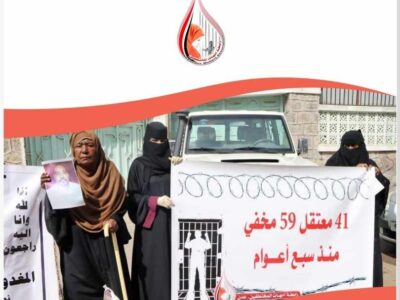
Impacts of Enforced Disappearance and ArbitraryDetention on Women and Chidren in Yemen
The policy paper launched by Abductees’ Mothers Association in partnership with the Peace Track Initiative (PTI), Elbarlamaent and the TOBE Foundation for Rights and Liberties with funding from the European Union (EU), on the Intrrnational Women’s Day ,and which is entitled “Impacts of Enforced Disappearance and Arbitrary Detention on Women and Children in Yemen”, “is a qualitative and essential step in protecting the right of women human rights defenders from the violations committed against them during the ongoing conflict in the country.”
The paper also highlights the suffering of women and children whose husbands and fathers are forcibly disappeared and arbitrarily detained in order to develop concrete solutions on the ground to reduce violations and hold those responsible accountable.
To read the paper:
A Human Rights Report Titled “Medical Neglect Quietly Kills in Yemeni Prisons”
- Providing information about unsafe prison conditions to local authorities and pressuring them to address deficiencies, similar to the initiative taken by the Abductees’ Mothers Association in holding a meeting with officials in Ma’rib regarding political security.
- Urging the Houthi group to cease the application of the death penalty against human rights defenders and activists, citing the recent case of Fatima Al-Arwali.
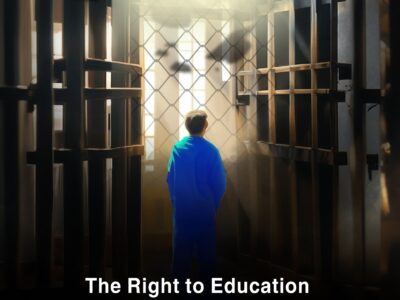
On the International Day of Education, Houthi Group Arbitrarily Deprives Detainees of the Right to Education
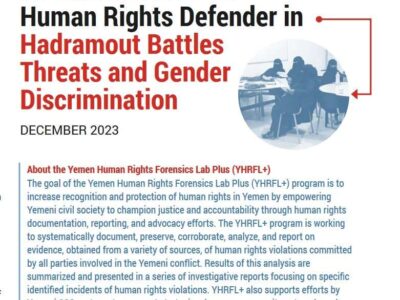
The report “A Human Rights Defender in Hadhramaut Faces Threats and Discrimination”
The report paints a disturbing picture of the challenging conditions faced by female human rights defenders (HRDs), in Yemen, and emphasizes the urgent need for attention and intervention. Within Yemen’s conservative culture, female HRDs are exposed to heightened risks, leading many to cease their activities, close organizations, or seek refuge by leaving the country for safety.
The case of Amina (a pseudonym) highlights the difficulties female HRDs encounter. Amina sheds light on societal criticism, including accusations of HRDs receiving foreign funding to disrupt security and break up families. Additionally, the report highlights the authorities’ lack of seriousness in addressing cases reported by female HRDs, illustrating the discrimination they face when seeking justice. Furthermore, the report singles out the Houthis for their particularly brutal treatment of HRDs, exemplified by the case of activist Fatima al-Arwali, who was sentenced to death after enforced disappearance and a sham trial.
To read the report:
https://justice4yemenpact.org/articles/informational-brief-human-rights-defender-in-hadramout-battles-threats-and-gender-discrimination/
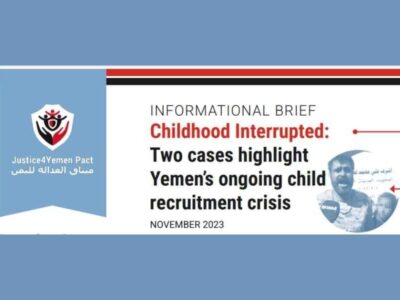
INFORMATIONAL BRIEF Childhood Interrupted: Two cases highlight Yemen’s ongoing child recruitment crisis
The Houthis have received considerable media coverage and international condemnation for their systematic recruitment of child soldiers during the Yemen war. Among other strategies, the Houthi movement has manipulated education to recruit children by altering curricula, holding in-school indoctrination sessions and weapons displays, and organizing mobilizing summer camps. A U.N. panel of experts reported that nearly 2,000 children recruited by the Houthis were killed in combat from January 2020 to May 2021 alone, and the movement continues to recruit children despite signing a pledge with the UN to end the practice in April 2022.
This report profiles two cases of child recruitment drawn from the Rasd Coalition’s database. The first case is Ashraf, a hearing-impaired child who joined the Houthi military at 13 to support his family and for a sense of power and belonging. He was killed in combat in 2022, at 17 years old. The second case is Ahmed, who joined a government military outfit in a support role when he was 14 to provide an income for his family. He is unsure of his future and spoke about his experience in the military with Rasd. Both cases demonstrate the psychological, social, and economic pressures leading to enlistment and the tragedy that can result from children picking up arms.
To Read the report:
https://justice4yemenpact.org/articles/childhood-interrupted/
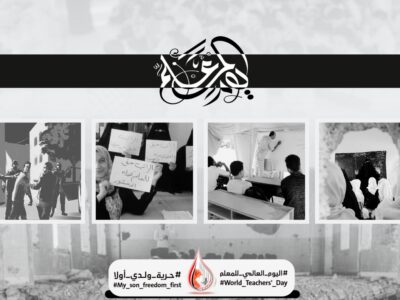
On their Universal Day, Yemeni teachers become victims of abduction, marginalization, and poverty!
Governments worldwide celebrate #UniversalTeachersDay by honoring teachers, acknowledging their remarkable role in advancing nations, and recognizing the importance of teachers in building a knowledgeable generation capable of facing life and creating a prosperous future. The teachers’ situation is, however, entirely different in Yemen. Amid the country’s ongoing crisis, teachers have become victims of abduction, enforced disappearance, and torture in prisons, often leading to death. Unlawful death sentences are also pronounced against them in trials lacking legitimacy, based on unfounded charges.
Many Yemeni teachers have lost their jobs due to years of abduction, and those released face challenges due to displacement. This situation has placed them in difficult living conditions, forcing them to confront life’s challenges rather than engaging with the developments in education.

A teacher from Taiz, who was abducted and later released in a swap deal on December 19, 2019, shares his story:
“I am a Quran teacher and the Khaled Al-Marad’a Mosque imam. I spent a thousand days in detention. On February 12, 2017, in the afternoon, gunmen affiliated with the Houthi security forces kidnapped me from the middle of the al-Barh market. They took me to the primary court prison in Maqbana, where about 40 detainees were held. At midnight, I was summoned, interrogated, and subjected to systematic torture—beatings with hoses and sticks, and immersion in water for three days. I stayed there for two months, then transferred to al-Saleh City prison in Taiz.
There, one hears nothing but screaming and wailing. After a month and a half, I was moved to Dhamar’s prison, the ‘Community College’ prison, where I endured severe psychological torture. Because I am a “Quranic teacher,” I was transferred to cells without bathrooms and then to halls of bathrooms where we slept for three consecutive days.
This is the situation of a teacher on the occasion of his World Day. Even after our release, we are still forgotten by all parties, enduring the hardships of abduction and difficult financial conditions.
Another teacher, Anwar Abdullah Al-Sabri, shares the painful details of his kidnapping:
“I work as a teacher in technical education. I was abducted by the Houthi group and imprisoned in the Jahmelia city prison, known as the ‘Chicken House,’ for eight months. I was kidnapped while in the public street on December 11, 2017, without any reason or charge. I was on my way to prepare for my daughter’s wedding. I was imprisoned and placed in rooms without toilets, resembling places designated for chickens. I faced daily insults, curses, threats of execution, and when today, on ‘World Teachers’ Day,’ I realize the reality of a teacher’s situation in this country.”

Yet another teacher, Sadiq Al-Muflehi, further says:
“I was abducted from the public street on December 11, 2017, without any reason or charge. I was taken to al-Saleh City prison in Taiz, where I endured severe psychological and physical torture during interrogations that continued from evening until dawn. I was blindfolded, hands tied behind my back. The investigator hit me on the head and back with a hose, and once with an electric shock. After the investigation, I was thrown into an isolation cell for nearly ten days without a bed, cover, or bathroom. I suffered from infections and skin diseases, deprived of medical treatment and clean water. I was subjected to harsh punishment as if I were a criminal, not a teacher who only knows education.”
These stories and sufferings seem endless. This is the plight of teachers amid all conflicting parties in Yemen, enduring severe violations amounting to war crimes. There is a lack of any deterrent that would stop these parties from violating teachers’ rights and keeping them away from political conflicts or otherwise. The Abductees Mothers’ Association works tirelessly to convey the issue of abductees and their severe suffering to all local and international entities, urging action to halt abduction violations and release abductees without conditions. Perpetrators of these violations must be brought to trial for deterrent punishment.

They Suffered from Depression and Loss of Passion- Enforced Disappearance: A Crime against Humanity
The crime of enforced disappearance is considered one of the crimes stipulated by international humanitarian law. It is classified as a crime against humanity. In this crime, the dignity and freedom of the individual are violated without any legal justification. Moreover, families of those forcibly disappeared endure prolonged suffering.
The gravity of enforced disappearance lies in its complicated violation. Cases of enforced disappearance, as documented by the Association of Abductees’ Mothers, are rarely devoid of psychological and physical torture inflicted upon the disappeared individuals. This crime also infringes upon their privacy and the privacy of their families. Instances include home invasions and the terrorization of children and women, which all contribute to the psychological impact this event leaves on their minds.
The forcibly disappeared individuals endure numerous challenges during and after their period of disappearance. In a survey conducted by the Association among a random sample of the survivors, the revealed findings are as follows:
- 55% have become inclined towards isolation and introspection.
- 47% have experienced depression.
- 47% feel constant fear and believe they are being monitored from somewhere.
- 30% avoid participating in any social occasions.
- 38% are afraid of closed doors.
- 30% develop aggressive feelings due to a lack of appreciation for their sacrifices.
- 72% have felt humiliation, insult, and frustration during their period of disappearance.
- 58% suffer from psychological pressures.
- 50% experience sleep disorder.
- 58% have become more tense and irritable.
- 55% feel helplessness and weakness.
- 75% have felt extreme anxiety for their families during the period of disappearance.
- 44% have lost the sense of pleasure and amusement.
Abdul Aziz Al-Hattami, a survivor, recounts, “The period of disappearance was the most challenging phase we endured throughout the abduction. We were confined in solitary cells located on the underground floor of the prison, devoid of ventilation, barely a meter and a half in size. Detention places are infested with insects, without space for sleep, lacking proper nutrition or healthcare, and restricted restroom access – only thrice every 24 hours.
Interrogation was followed, with false charges pressed against us. We were subjected to severe forms of torture including beating, hanging, blindfolding, and extended handcuffing. We were further subjected to verbal abuse and profanity, and communication with our families was cut off. We were treated as if we were deceased, leaving our families to endure extortion, threats, and humiliation while searching for us.
Ibrahim Al-Khazraji adds, “The best I can say about that period is “Thank God I am a survivor.” Enforced disappearance is an unorganized war, requiring minimal effort from the perpetrator. You are cast into those abysses, setting the stage for your journey through the flames of the brutal war that you’re about to wage against yourself.”
Here, the role of the cruel executioner will come to an end. Despite the methods of torture, he appears in your eyes as naive and insignificant, unable to unleash his horror upon you, leaving you unaffected! For there are things that preoccupy you, things even more intense and severe than his cruelty. It’s your internal battle between a troubled heart and a raging mind! A war of thoughts that escalates silently within a suffocating cell, where a deadly calm and savage silence prevail. Here, you witness your fellow inmates falling victim to their own illusions, their voices reduced to nothing more than mournful sighs.
However, Mushataq Al-Faqih”, another survivor, recalls, “I never imagined or came to my mind that I would be imprisoned and my freedom restricted. I’m a young man with no legal infractions and no enemies. I can’t bear two hours of imprisonment, let alone ten grueling months! I was arrested and held in a shop for two days, then transferred to Al-Saleh Prison. I spent a week surrounded by insane detainees, unable to comprehend what was happening. Despite that, what truly tormented me was my mother, father, wife, and siblings – their suffering haunted me! Alongside the psychological and physical torture of prison, this agonizing thought consumed me.”
Forced disappearance results in the loss of many forcibly disappeared individuals’ jobs and exposes their businesses to losses and bankruptcy. It leads to the accumulation of home rents, and school and university fees, along with an inability to afford the costs of medical treatment and healthcare for their families. Additionally, families of those forcibly disappeared experience psychological traumas.
Local and international laws and tribal customs criminalize the violation of human freedom, abduction, forced disappearance, and subjecting individuals to torture. The Association of Abductees’ Mothers calls on all parties to immediately release all abductees, detainees, and those forcibly disappeared, and to hold those responsible for these violations accountable.
Mothers at the Gates of Justice 4
Justice for Abductees
A Report monitoring and documenting the cases of abduction, detention, enforced disappearance in the governorates of (Sana’a, Aden, Ma’rib, Taiz and Dhamar) between 2018 – 2022

MOTHERS ON THE GATES OF JUSTICE 3
Sixth Annual Report Abductees’ Mothers Association
Mothers at the gates of Justice 2

The Odor of Death
The Odor of Death
I Am Afraid to Die, and No One Knows
I Am Afraid to Die, and No One Knows

Mothers at Justice Gates
Mothers at Justice Gates
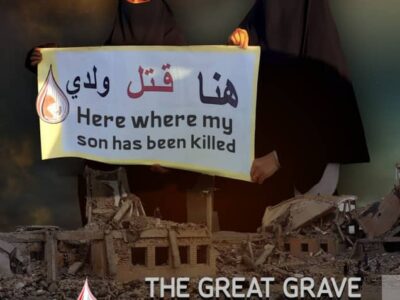
THE GREAT GRAVE
THE GREAT GRAVE
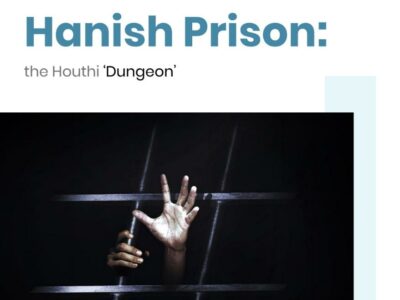
Hanish Prison: the Houthi Dungeon
Hanish Prison: the Houthi Dungeon
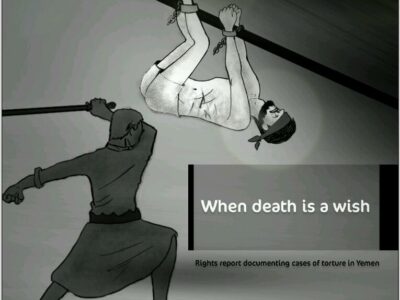
When Death Becomes a Wish
When death is a wish

Mothers Association Report for 2018
Mothers Association Report for 2018
Mothers Association Report for2017
Mothers Association Report for2017
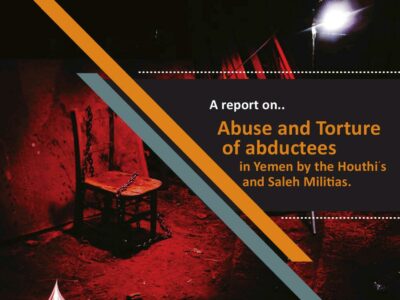
Mothers Association Report for 2016
Mothers Association Report for 2016